
Much has happened since my last update in May 2023 – personally and professionally! – so below I’ll provide a series of links and details for those who encounter this site.
For those who have come across my research for the first time, it may be difficult to see how the various projects on the tabs above fit together into an overarching research programme. The best explanation I have is that I focus on ethical and critical responses to the normative and polemical characteristics of key concepts that structure how we think about religion, culture, and society.
The four interconnected concepts that I am currently exploring through the conjoined paradigms of Political Theology and Critical Theory include the “postsecular,” “violence,” “conspiracy,” and “accountability” – each of which are determined by how social bonds of public trust are being overturned, restructured, and transformed in the present.
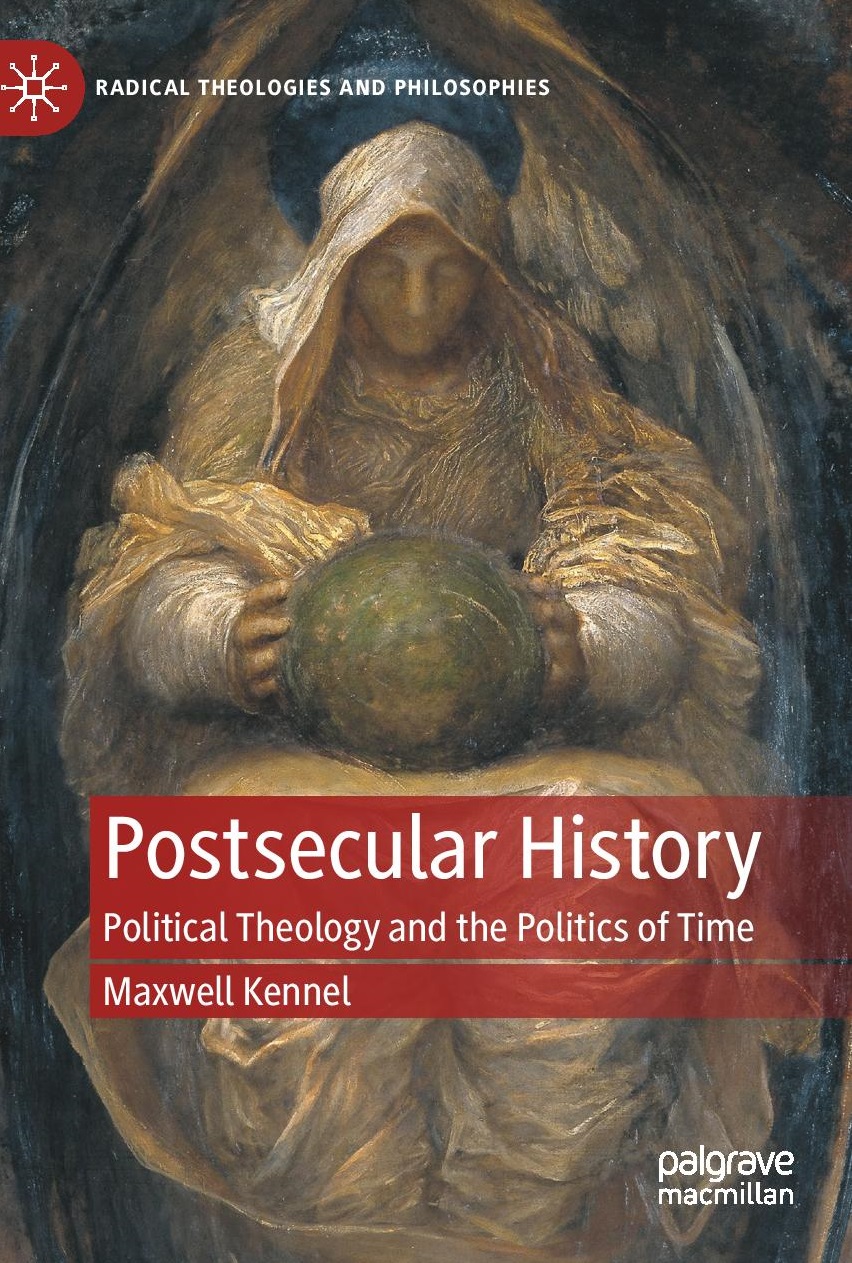
My first book Postsecular History: Political Theology and the Politics of Time (Palgrave Macmillan, 2021) shows how the concept of the “postsecular” relies upon and performs powerful periodizations that economize temporal terms by dividing and ascribing meaning to the past, present, and future. In 2023, a symposium on the book was published in Political Theology 24.3 (2023): 338-358, with contributions from Travis Kroeker, Pamela Klassen, and Jennifer Otto, and my own response.
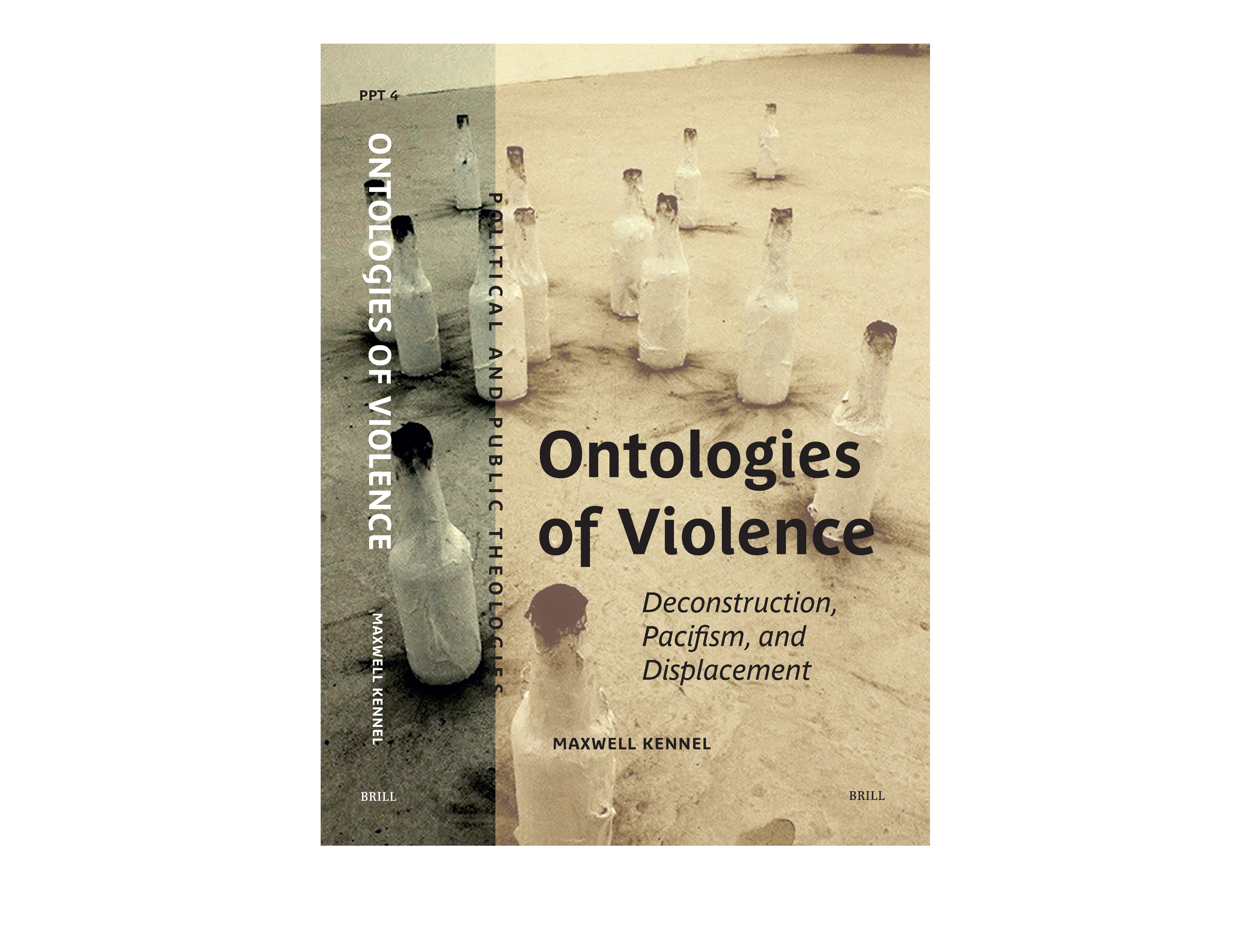
My second book, Ontologies of Violence: Deconstruction, Pacifism, and Displacement (Brill, 2023), compares perspectives on the ontological character of violence in the works of French philosopher Jacques Derrida, Mennonite pacifist political theologians, and feminist philosopher of religion Grace M. Jantzen, and then seeks to reconceptualize the concept of violence itself as a diagnostic concept that implies the violation of value-laden boundaries. I have recently done a few interviews related to the book, and I am thrilled to say that a symposium is being planned for the book with Syndicate for sometime next year.
I am presently preparing the manuscript for my third book, which is the result of my recent SSHRC Postdoctoral Fellowship at the University of Toronto (2021-2023). The book is titled Critique of Conspiracism: Critical Theory, Religion, and the Limits of Conspiratorial Reason (Routledge Conspiracy Theories series, under contract) and it re-envisions the problematic epistemologies of conspiratorial thinking through the lenses of minor voices in Political Theology (Angela Mitropolous and Erica Lagalisse) and contemporary Critical Theory in the Frankfurt School tradition (Rahel Jaeggi, Rainer Forst, and Robin Celikates).
Following the submission of this manuscript in mid-2024, I will turn my attention to a book project on ethics titled, Mennonite Metaphysics: Social Critique Out of the Sources of the Radical Reformation (Cascade Theopolitical Visions series, under contract) in which I will draw together themes from my first three books while revising and extending my previously published essays in Mennonite Studies (for more on the tradition and its complexities see here).
Several of the sources in the book, and in my work in Mennonite Studies, draw from the relaunched Anabaptist and Mennonite Studies series, which I edit in my capacity as Director of Pandora Press, and the Anabaptists and Philosophy roundtable lecture series, for which I serve as a co-organizer.

My research programme is currently heading in exciting new directions as my role at the Arcand Centre for Health Equity expands. My work at the Centre in research engagement has brought me into contact with a fascinating new area of study in the field of health professional education, which focuses on a very specific definition of Social Accountability that draws from the World Health Organization’s admonition to medical schools to train doctors and other professions to become more connected to the societies they serve.
Most recently, the research Centre has just received a large donation from the Temerty Foundation and has been renamed from the Centre for Social Accountability to the Dr. Gilles Arcand Centre for Health Equity. Lately I have been directing the handover of material from our old website to this new site, which was designed by the fine folks at Ingaged.

If that weren’t exciting enough, I am pleased to say that I am a co-applicant (and served as the lead grant writer in the second stage) on a successful SSHRC Partnership Grant application, which focuses on socially accountable research (more details are available here, and a press release is available here). The project is called “Community-engaged Research in Education, Advocacy, and system Transformation for advancing health Equity (CREATE)” and I will serve as a training, EDI, and research lead, alongside a team of international medical education researchers and partners. In addition to this project, I am also directing a new Fellowship in Social Accountability co-hosted between NOSM U, TUFH, and the University of Limerick, following from this symposium series which I have been coordinating over the past few months.
This work is providing me with interesting new avenues for bringing the insights of Political Theology and Critical Theory into the discourse on health equity, and exploring how the concept of social accountability in health care can provide insights in the discourses on Political Theology and Critical Theory. My work on these reciprocal and interdisciplinary conversations continues in a recently submitted article called “Toward a Critical Theory of Social Accountability,” and two upcoming presentations at the American Academy of Religion meetings in San Antonio.
 Dr. Maxwell Kennel